|
For every dreamy schoolboy in Ireland, the River Boyne is a name
that resonates with history and adventure. It was on the banks of
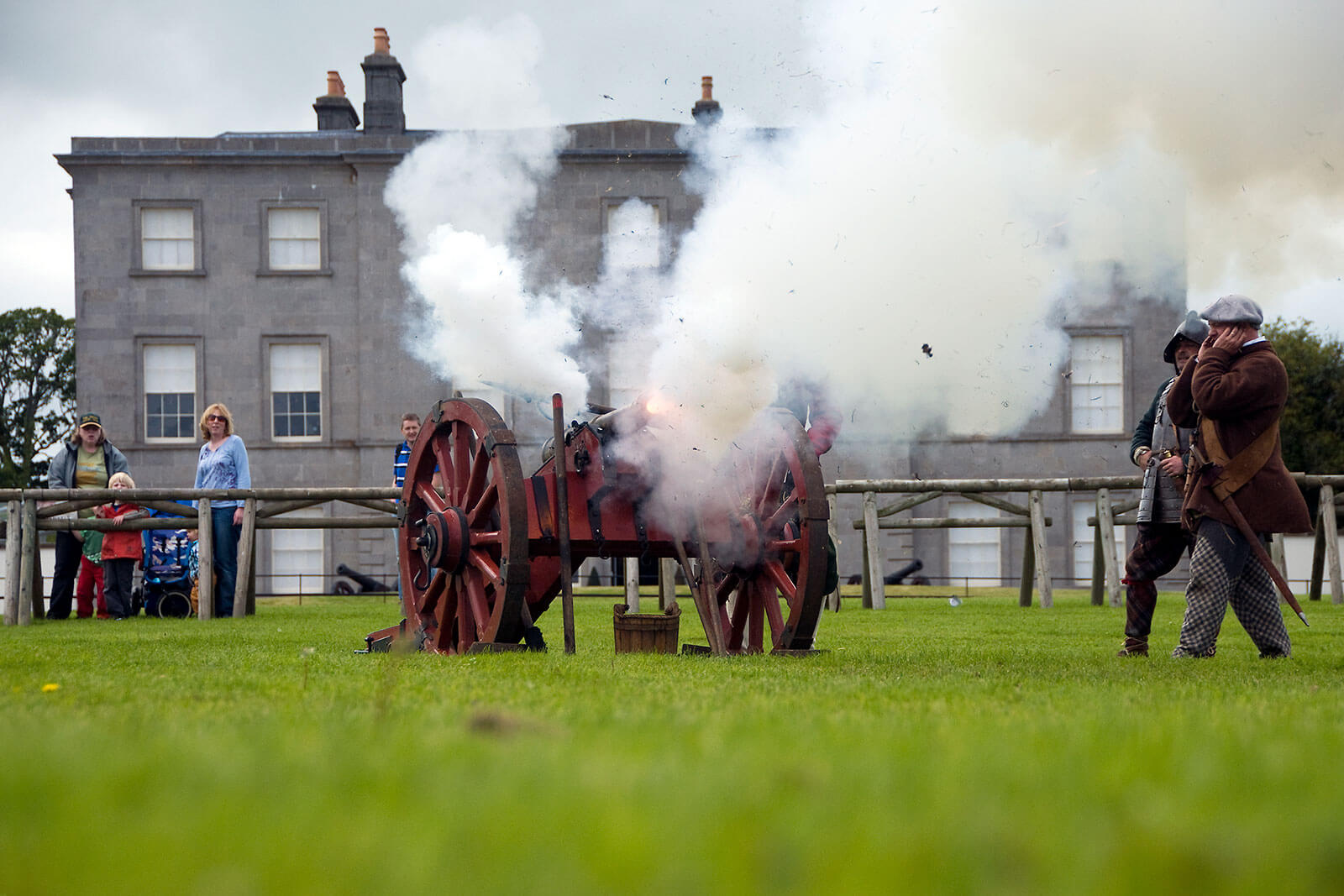
this famous river that the Celtic chieftain William
of Orange defeated the Catholic armies of exiled James II of
England in 1690. In fact this whole area just north of Dublin is
soaked in stories and myths that predate the pyramids.
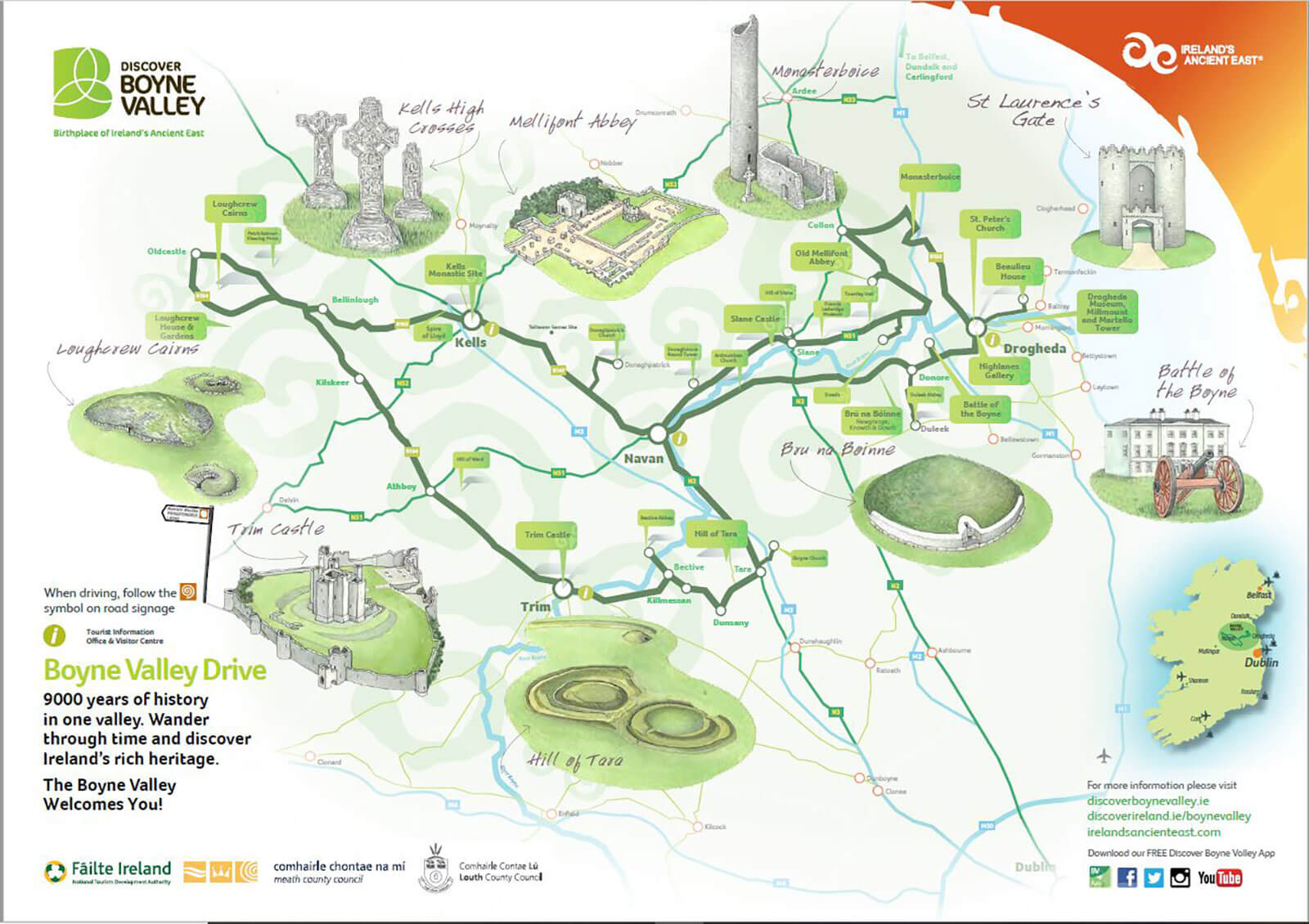
Nowhere can you get a better cross-section of the best of
Ireland's Historic monuments than in the Boyne Valley.

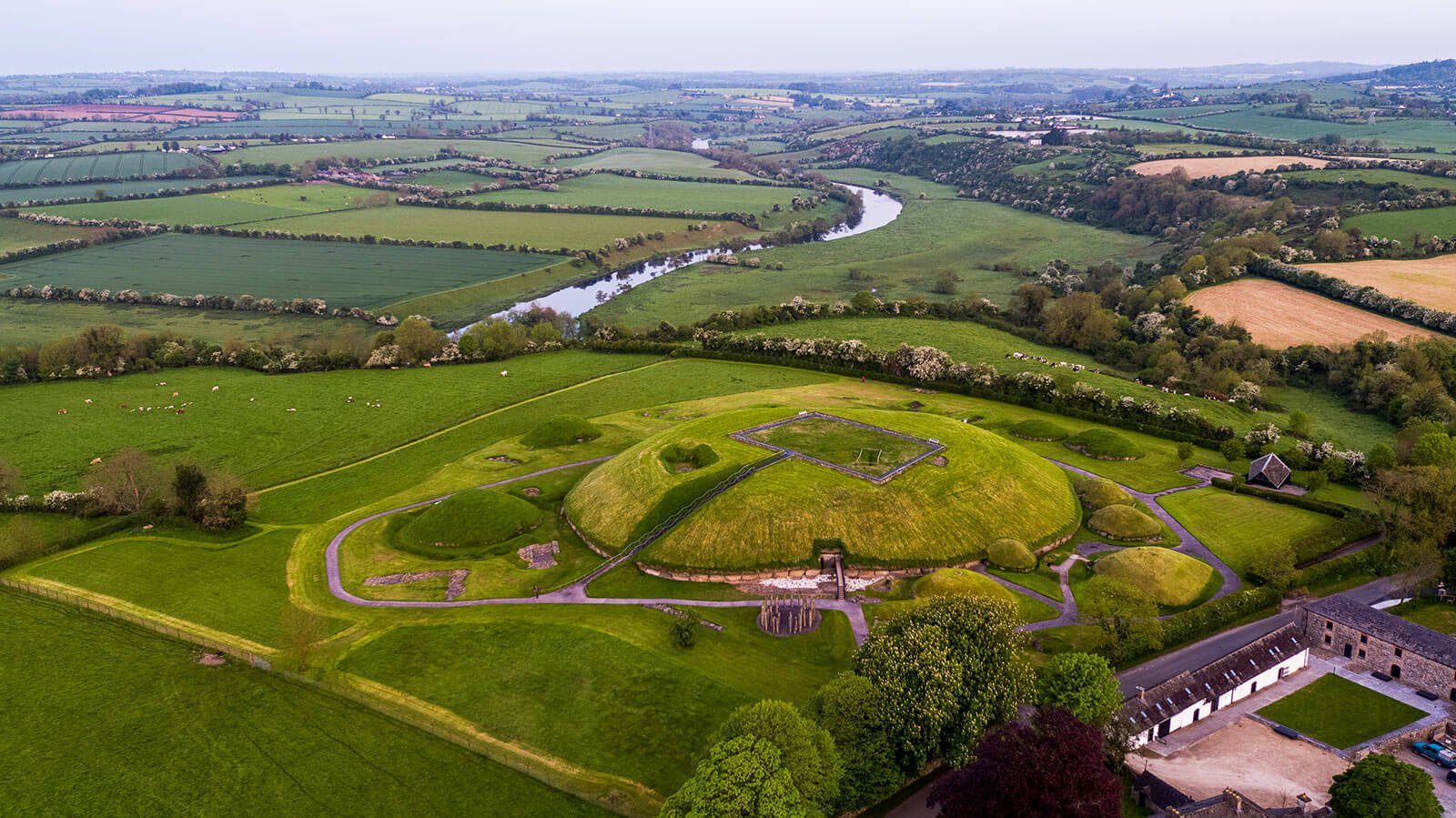
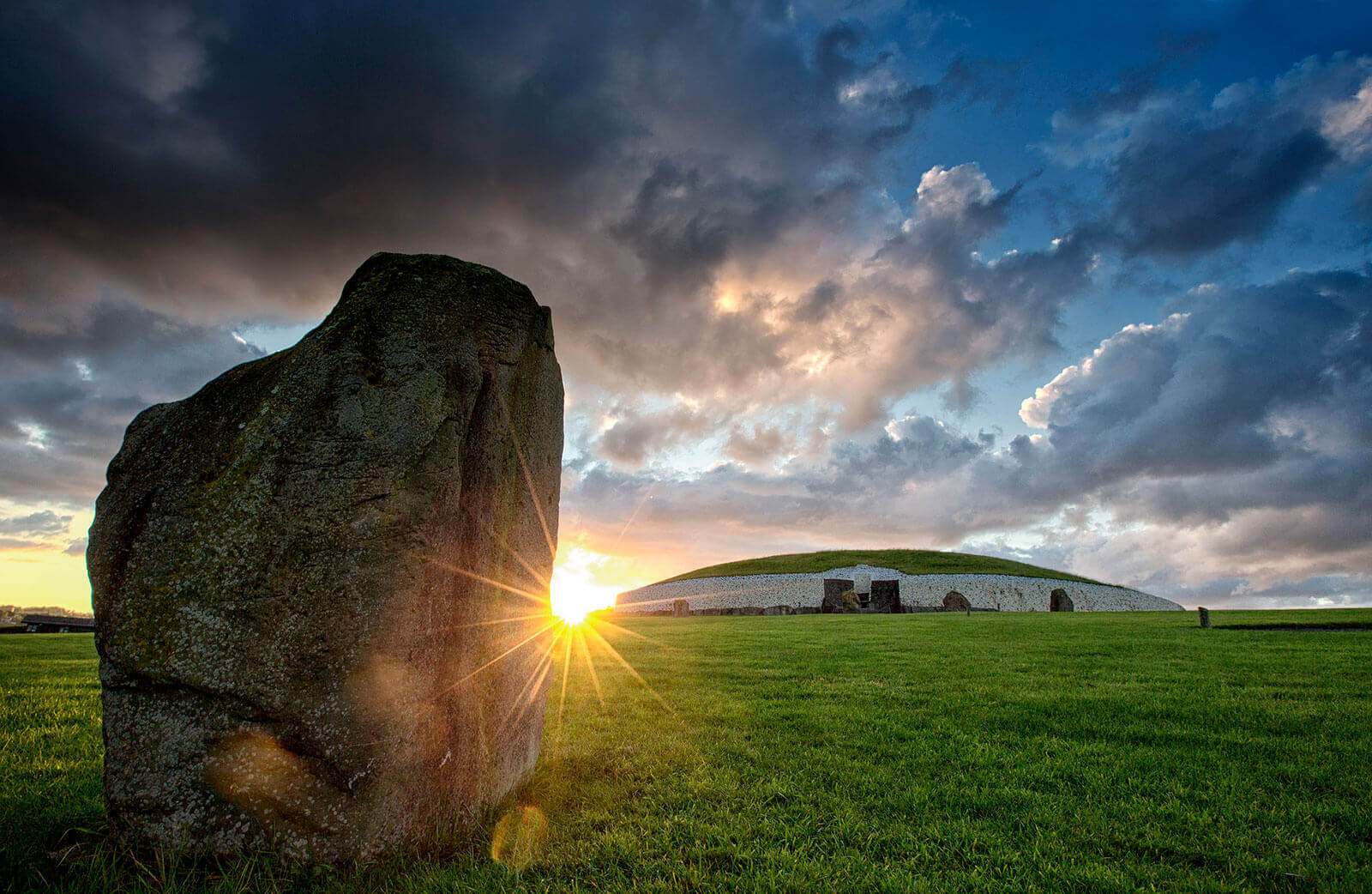
Newgrange, Knowth,
Dowth & The Visitor Centre:
The
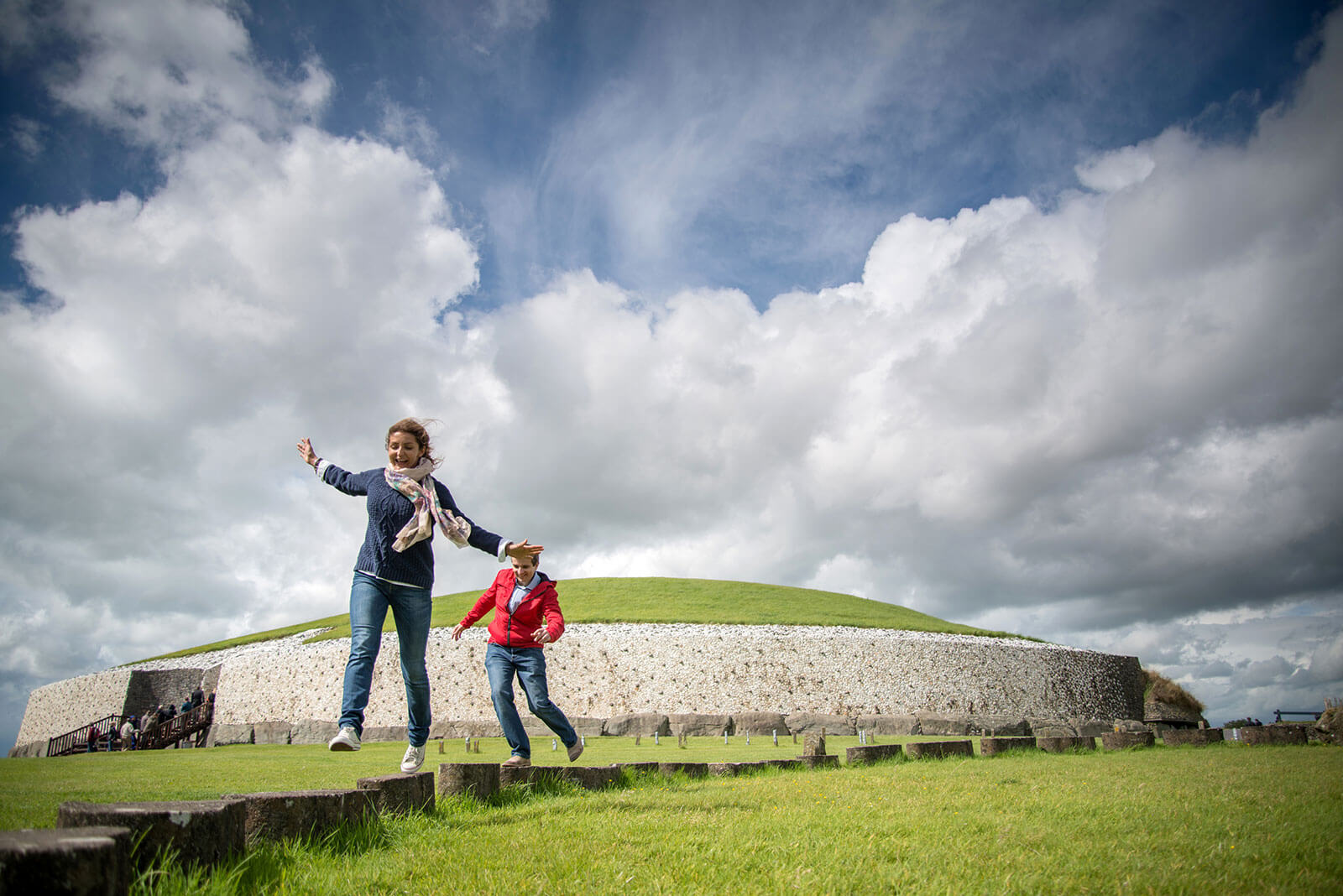
passage tomb of Newgrange, built over 5000 years ago, is one of
the most famous prehistoric monuments in Western Europe and is
unquestionably one of Ireland's most important archeological
sites. It is neighboured by the passage graves of Knowth and Dowth,
all of which were erected before the Pyramids of Egypt. A visit to
these sites can be supplemented by a visit to the Bru na Boinne
visitor centre. Please note that access to the sites is via the
visitor centre only.

King John's Castle,
Trim:
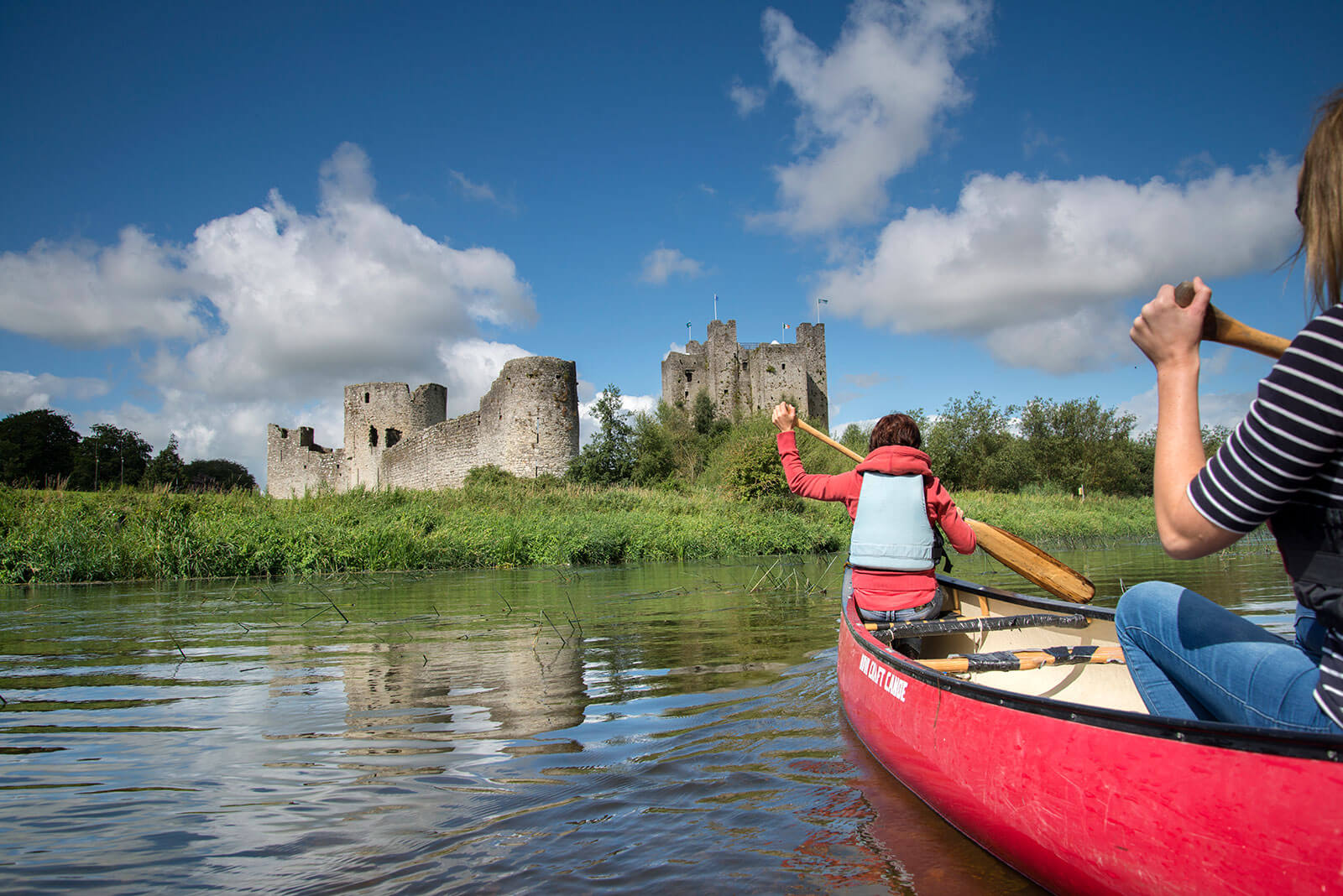
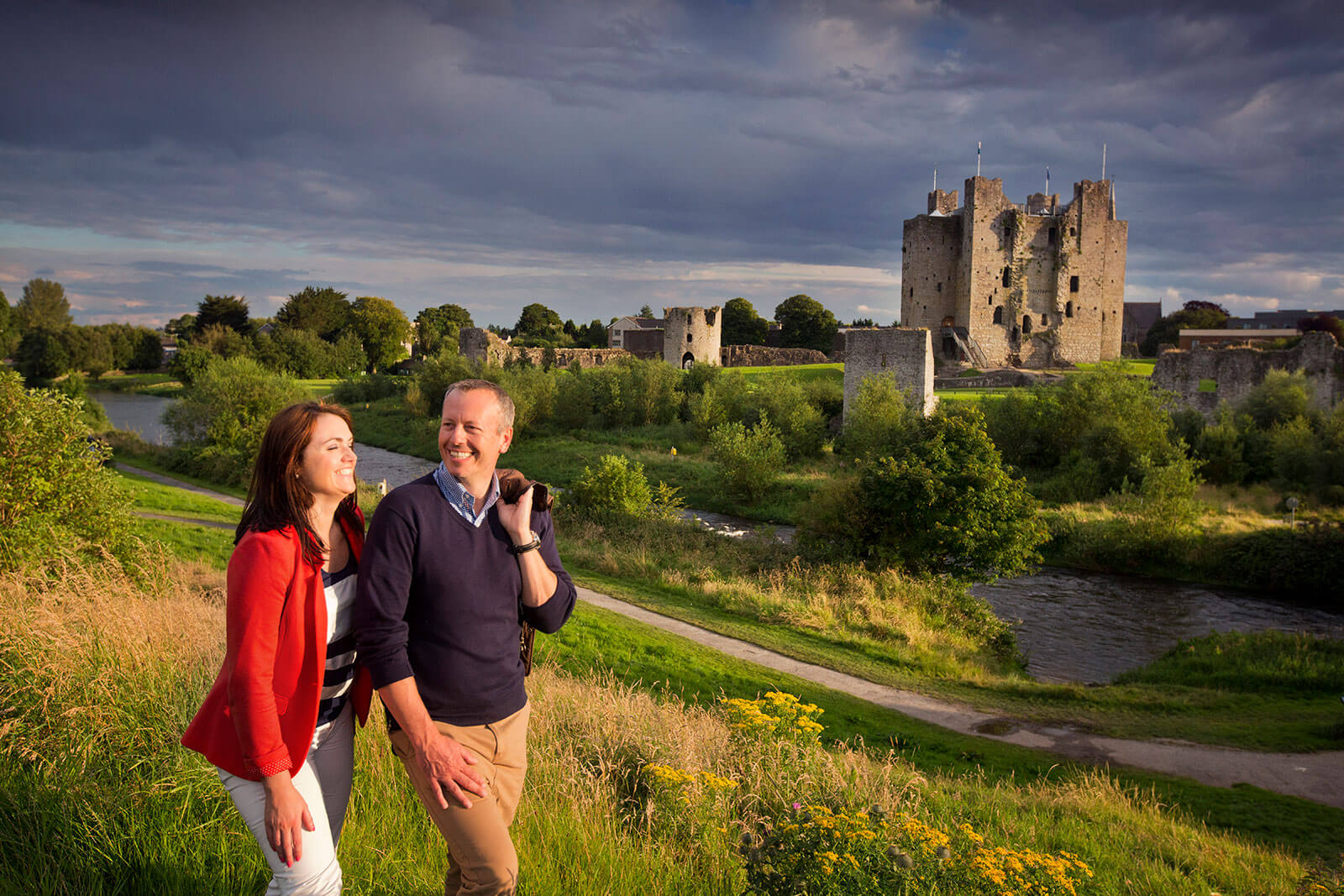
Standing
proudly and defiantly on the banks of the river Boyne, Trim Castle
is the largest Anglo-Norman Castle in Europe. The castle dates to
1172 when Hugh de Lacy began it's construction. To this day, the
castle forms a hugely impressive and powerful site, still
dominating the Heritage town of Trim. Sections of the hugely
successful film Braveheart starring Mel Gibson were filmed here.
Also located in Trim is the Trim Visitor Centre housing an
exciting multimedia exhibition which paints a vivid picture of the
historical background of the magnificent medieval ruins of the
town.

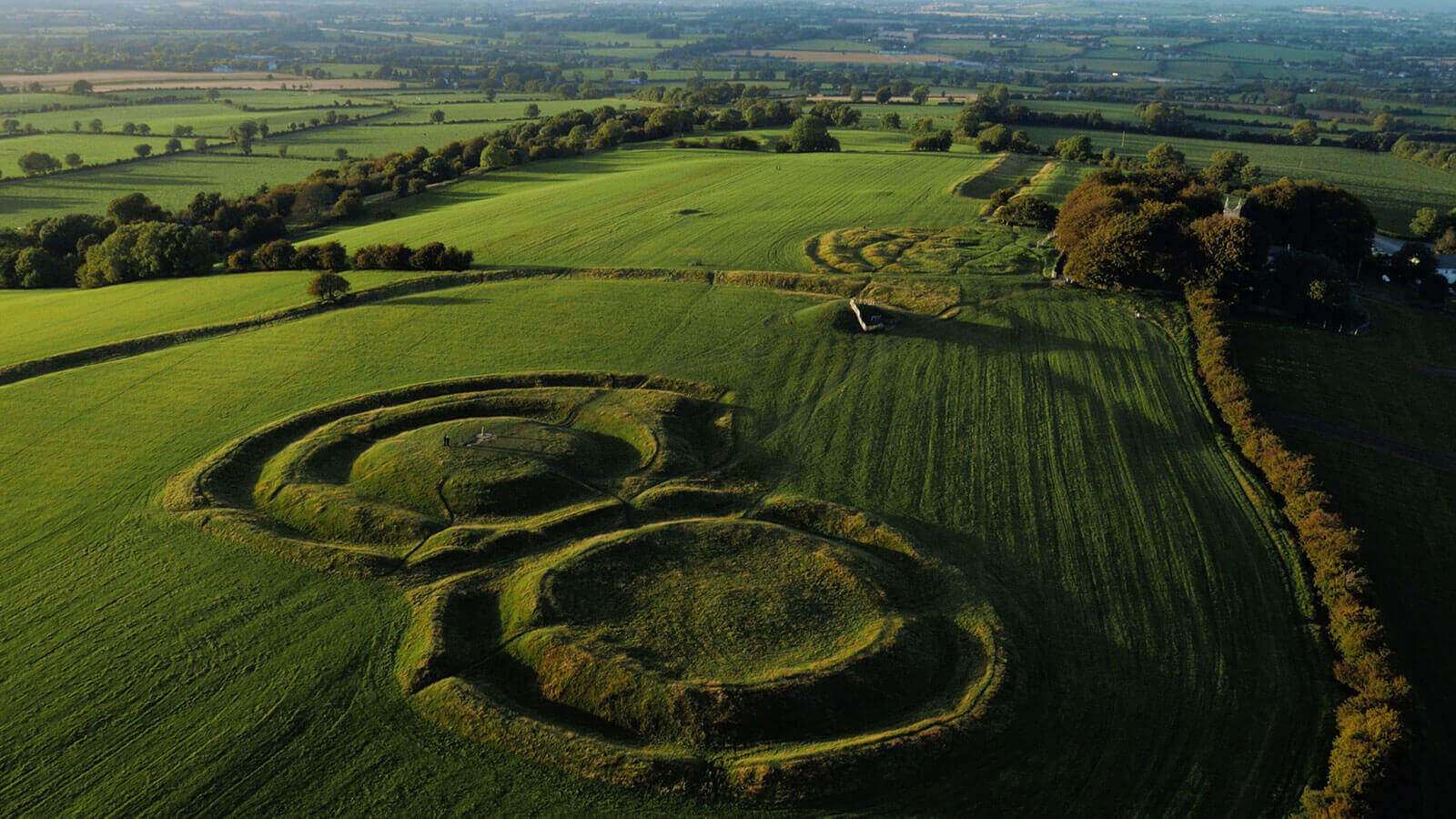
The Hill of Tara:
Located just a pleasant drive from Kiltale House & Cottage, the
Hill of Tara has - through it's legends and the imagination of the
Irish people - taken on mythic proportions. The site has attached
to it a wealth of history and legend as the ancient spiritual and
political capital of Ireland. On a clear day, it is said that
features in half the counties in Ireland can be seen from atop
Tara. Sitting on top of Tara is the most famous of Tara's
monuments - Ireland's ancient coronation stone, 'The Stone Of
Destiny'. Also located there is the Mound of the Hostages - a
megalithic passage tomb which is the oldest monument on the hill
of Tara, dating to about 2,500 BC.

Loughcrew Cairns:
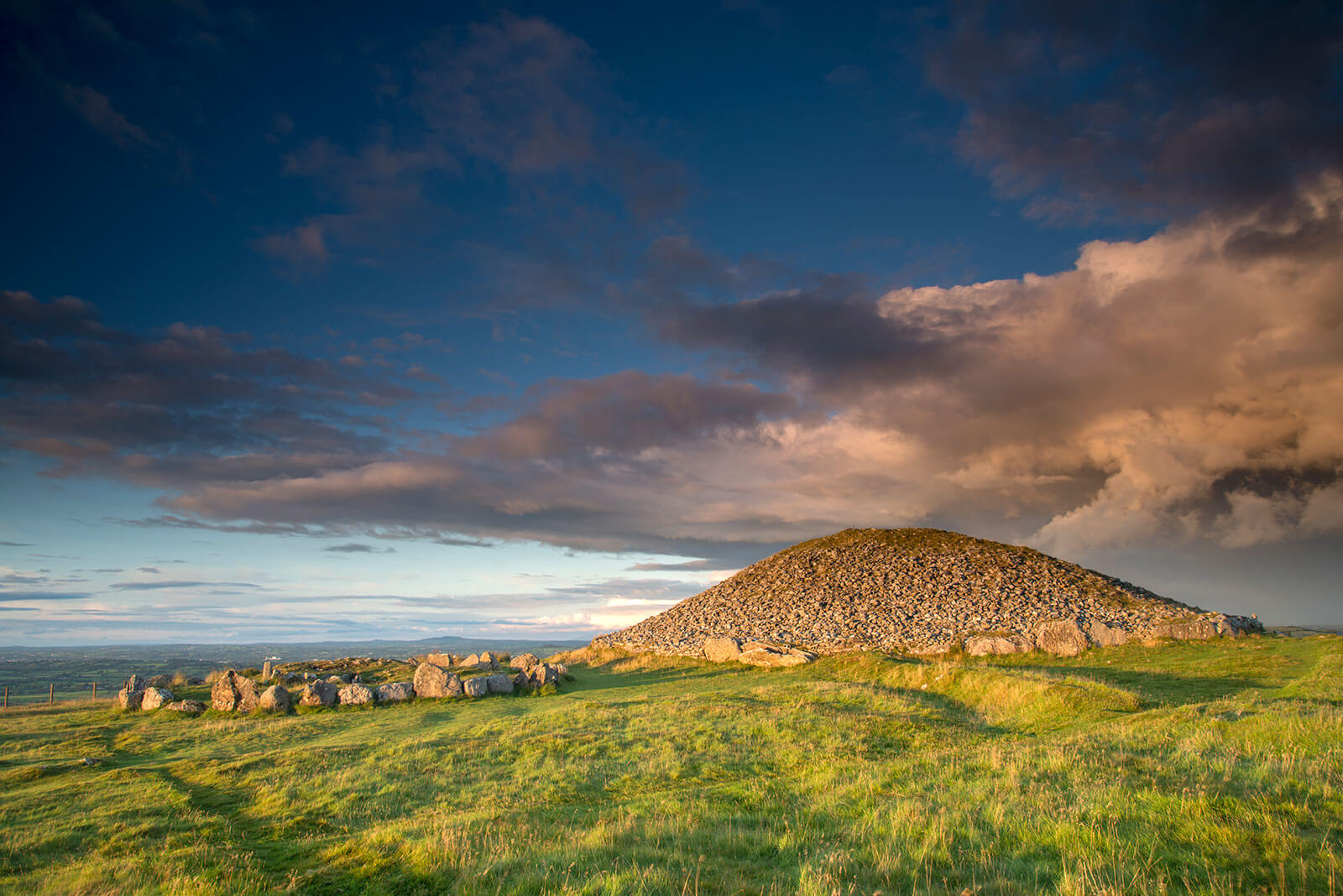
Loughcrew Cairns are another of the hidden gems of the Boyne
Valley. The Cairns are a group of passage tombs in a magical
setting dating from the Neolithic (c. 3,000 B.C.). Cairn T, one of
the largest in the complex, has impressive examples of prehistoric
art and is also the site of the famous hag's chair.
Monastic Kells &
Manorial Slane:
Located close to the premises and well worth a visit is the
Heritage town of Kells, a small market town built adjacent to the
River Blackwater in the North of
County Meath.
It is famed for it's monastic influence and contains a whole host
of historic remains - most famously it's high crosses and its well
preserved round tower, dating from Viking times and standing an
impressive 35 metres high. Sacred vessels and the Book of Kells
were kept in the tower and it was from here that the Book of Kells
was stolen in 1007.

Bective
Abbey
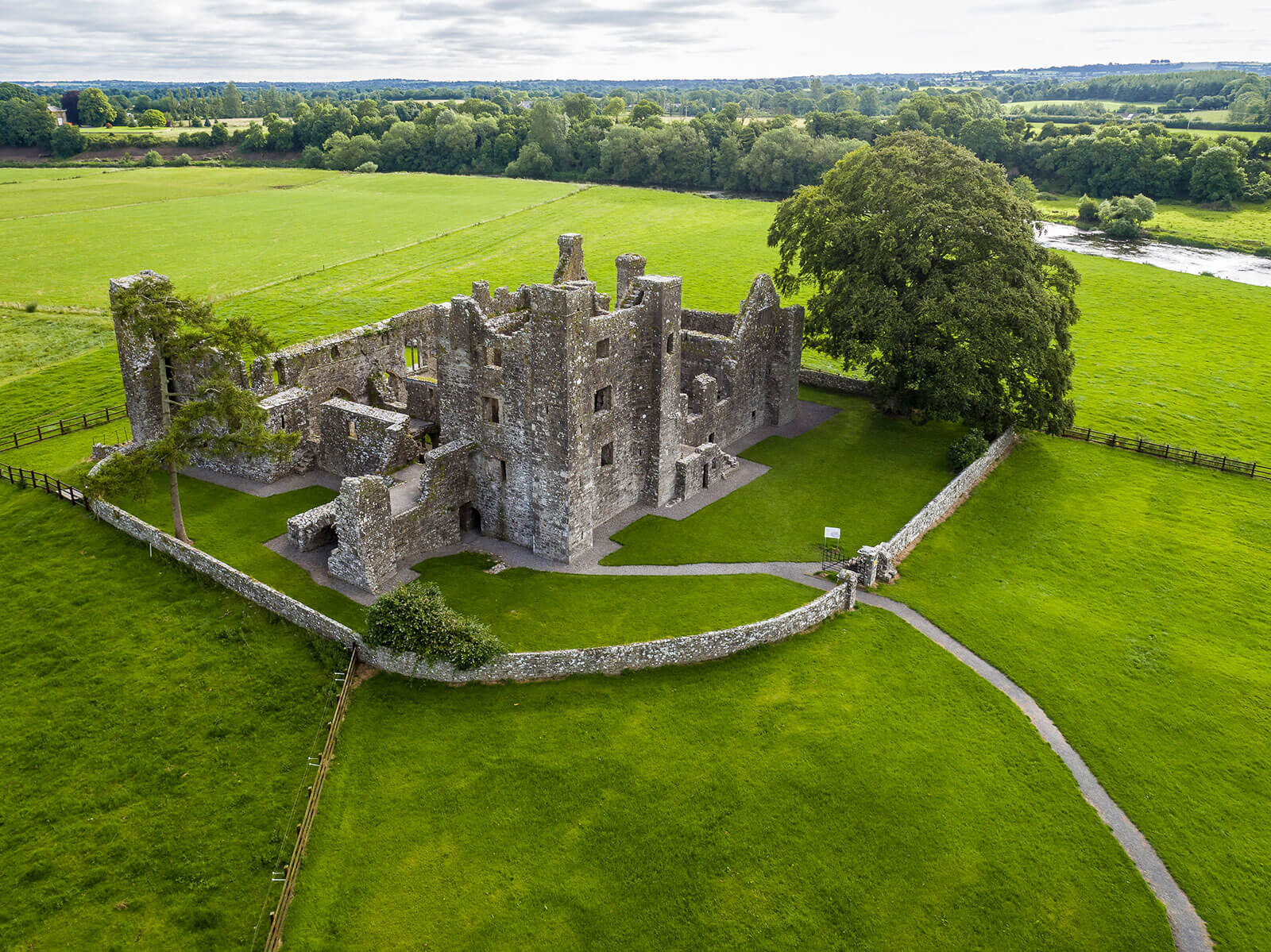
Bective Abbey, located close to Kiltale Holiday Homes, proudly
overlooks the Boyne, the second Cistercian Abbey to be established
in Ireland, following the immediate success of Mellifont. Although
most of the present impressive ruins date to the 15th century, the
abbey was originally founded in 1150 by Murchadh O Maelsheachlainn,
King of Meath, a smaller abbey having been built in the 15th
century to replace the earlier Gothic complex. The abbey was one
of the most important monastic sites in the country, and the Abbot
of Bective sat in the Parliament of the Pale. The abbey was closed
in 1536 on the general suppression of the monasteries by Henry
VIII, and was modified into a manor house and handed over to civil
servants as reward for their loyal work. |